
The Aesthetic of Healing: How Social Media Shapes Womanhood
In the age of curated identities, healing has quietly acquired an aesthetic: a calm, composed woman, seemingly at peace with herself and the world. But what happens when that image doesn’t fit?
HOT TAKES & REFRAMINGCPTSD RECOVERY & THERAPY
Egle Kami
4/25/20263 min read
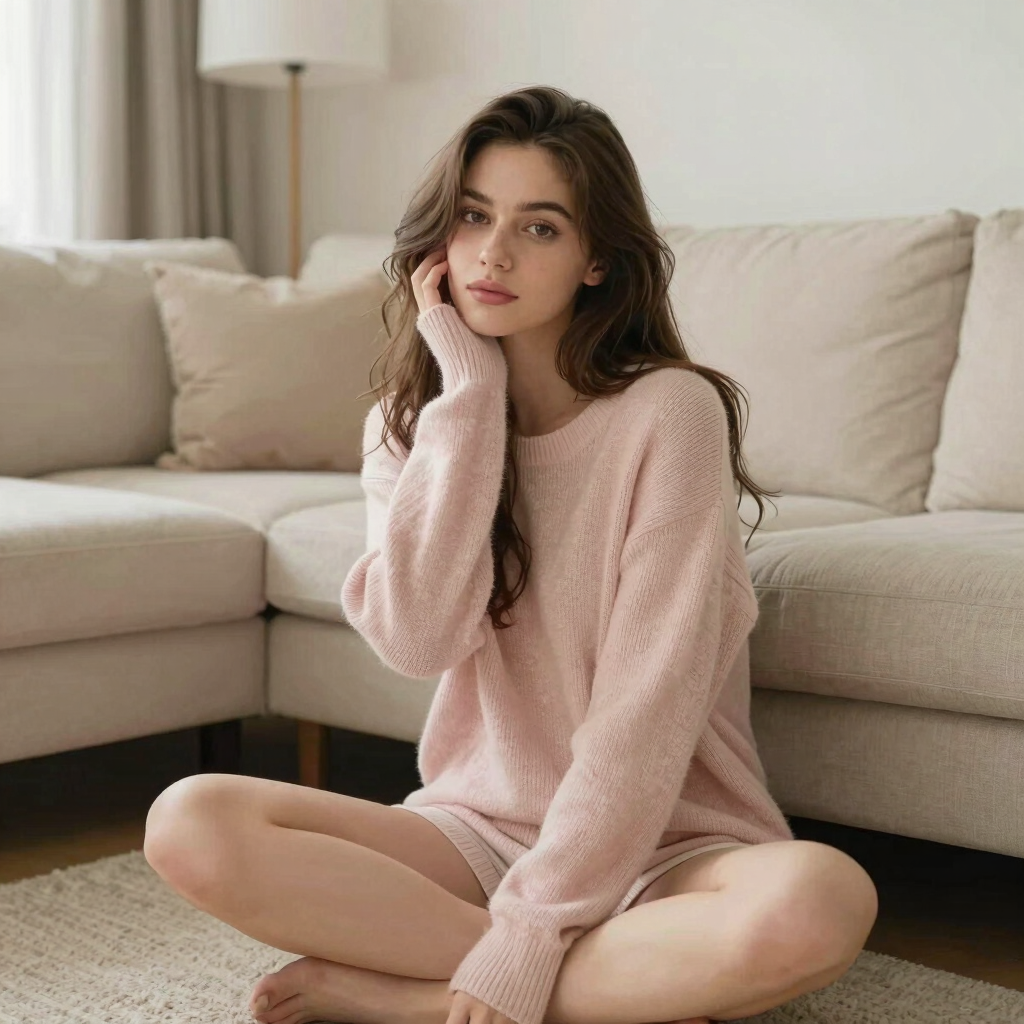
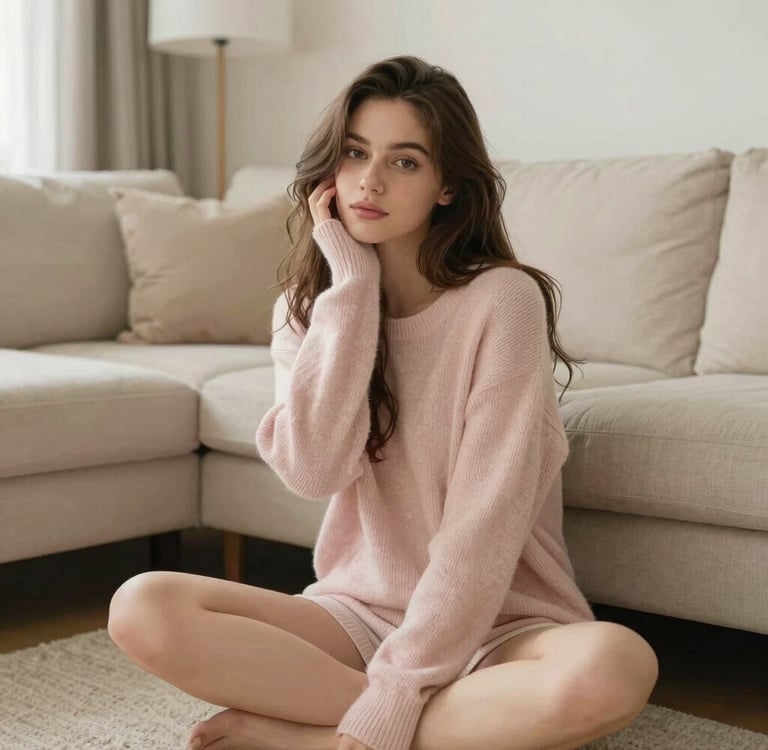
In the age of curated identities, healing has quietly acquired an aesthetic. Scroll through Instagram and a pattern emerges: soft lighting, neutral palettes, slow mornings, tidy routines. The image is consistent—a calm, composed woman, seemingly at peace with herself and the world. For many, this has become the visual definition of being “healed.”
But what happens when that image doesn’t fit?
For years, I believed healing meant becoming that woman. The so-called “soft girl”—gentle, organized, emotionally regulated, and visually minimal. Despite knowing I was more complex, more intense, more layered, I tried to mold myself into that ideal. I swapped color for beige, clutter for minimalism, spontaneity for strict routines. My home became sparse, my wardrobe muted, my habits controlled.
At first, it worked—at least on the surface. My environment became quieter, and in some ways, so did my mind. Looking back, it’s clear my nervous system had been overstimulated. The simplicity brought temporary relief.
But it didn’t last.
No matter how disciplined I tried to be, the routines began to feel restrictive. What once felt calming started to feel suffocating. I missed joy, spontaneity, even chaos. Small acts—like buying a colorful blouse—became sources of guilt. They didn’t “fit” the identity I was trying to maintain. And so I blamed myself, labeling my impulses as flaws rather than signals.
This wasn’t just about style. It was about identity
Like many women, I had learned early on to become a version of myself that felt acceptable—structured, high-functioning, “put-together.” That “Type A” persona wasn’t innate; it was a survival strategy. Structure gave me a sense of control. And control felt like safety.
Social media reinforced this belief. In comment sections and viral posts, calmness and softness were repeatedly framed as markers of maturity, even emotional success. In a world shaped by uncertainty—especially in the aftermath of events like the COVID-19 pandemic—it’s not surprising that many gravitated toward order, cleanliness, and visual harmony. The “soft life” became both aspiration and escape.
But healing, as it turns out, is not a fixed aesthetic.
Years of therapy and self-reflection revealed a different truth: I am not naturally that person. I don’t thrive in rigid routines. I don’t find identity in minimalism. My version of structure is fluid, intuitive, sometimes messy. And for a long time, I saw that as failure.
Now, I see it as alignment.
There are signs of a broader cultural shift. Alongside the long-dominant “soft girl” aesthetic, a more expressive, less restrained version of femininity is gaining visibility. Artists like Zara Larsson have played a role in normalizing this change—embracing bold colors, playful styling, and a sense of self that doesn’t seek approval through minimalism or perfection. What was once labeled “too much” is being reclaimed as creativity, confidence, and freedom. In that sense, social media is no longer just prescribing a narrow image of healing—it is, at times, expanding it.
This shift matters
Because for some women, healing doesn’t look like quiet mornings and neutral tones. It looks like rediscovering color. Speaking openly. Feeling deeply. Letting go of the need to appear composed at all times.
I am 33, still learning my nervous system, still understanding my patterns. But for the first time, I’m not trying to edit myself into something more acceptable. I’m not striving to be perpetually calm or agreeable. I’m learning to feel—to cry when I need to, to express discomfort, to stop performing ease for the sake of others.
And perhaps most importantly, I’m no longer equating goodness with palatability.
There is a persistent narrative that a “good woman” is a calm one, a kind one, a non-disruptive one. But that definition is narrow—and often shaped by expectations that leave little room for complexity. The reality is that women are multidimensional. Healing does not erase intensity, personality, or contradiction. It makes space for them.
Liking bold makeup, speaking candidly, questioning norms, even embracing imperfection—these are not signs of failure. They are expressions of being human.
Social media didn’t invent these identities, but it amplifies them. It can both limit and expand our understanding of what healing looks like. The question is not whether these images exist, but how closely we feel compelled to follow them.
For me, healing began to take root the moment I stepped outside that narrow frame. When I stopped trying to be the “right” kind of woman and allowed myself to simply be one.
Sometimes that looks composed. Sometimes that just gets ugly.
And maybe that’s the point.
Tired brain, fresh inbox — get new posts before you even have the energy to check the site yourself
Let's connect
© 2026. All rights reserved.


Sing up for updates
Terms and Conditions